How methanol fuel cell technology meets the energy needs of civil security and defence.
Modern infrastructure faces an unprecedented challenge in terms of energy policy. Whether it is telecommunications masts in remote regions, hospitals during a power cut, or command centres in conflict zones – a reliable power supply is essential. However, existing energy solutions are not enough: centralised power grids are vulnerable, and diesel generators are polluting, noisy and require a great deal of maintenance.
This is where dual-use technologies come into play: solutions designed for both civilian and military applications, which maximise the impact of innovation whilst addressing parallel challenges across different sectors.
Die Methanol-Brennstoffzellen Ecoport 800 und Ecoport 1500 von SIQENS sind Beispiele für diesen Ansatz. Sie bieten eine umweltfreundliche, robuste, geräuscharme und wartungsarme Stromerzeugung, die sich nahtlos von der Telekommunikationsinfrastruktur bis hin zu taktischen Militäroperationen anpassen lässt.
The technology: Proven performance, flexible deployment
At the heart of both Ecoport models lies SIQENS’ patented 4CycleTec technology – a high-temperature polymer electrolyte membrane (HT-PEM) fuel cell system that operates at 120–200 °C. Unlike conventional hydrogen fuel cells, Ecoport uses industrial or green methanol as its fuel source and produces hydrogen from it via internal reforming. This eliminates the challenges associated with the storage and logistics of compressed hydrogen, whilst at the same time achieving a higher energy density: 25 litres of methanol provide more usable hydrogen than two standard gas cylinders.

Key specifications:
- Ecoport 800: 300–600 W power output
- Ecoport 1500: 600–1200 W power output
- Efficiency: 0.6 liters Methanol per kWh
- Operating temperature: -20 °C to +50 °C
- Geräuschpegel: Weniger als 45 dB (flüsterleise)
- Emissions: no NOx, SOx or particle matter
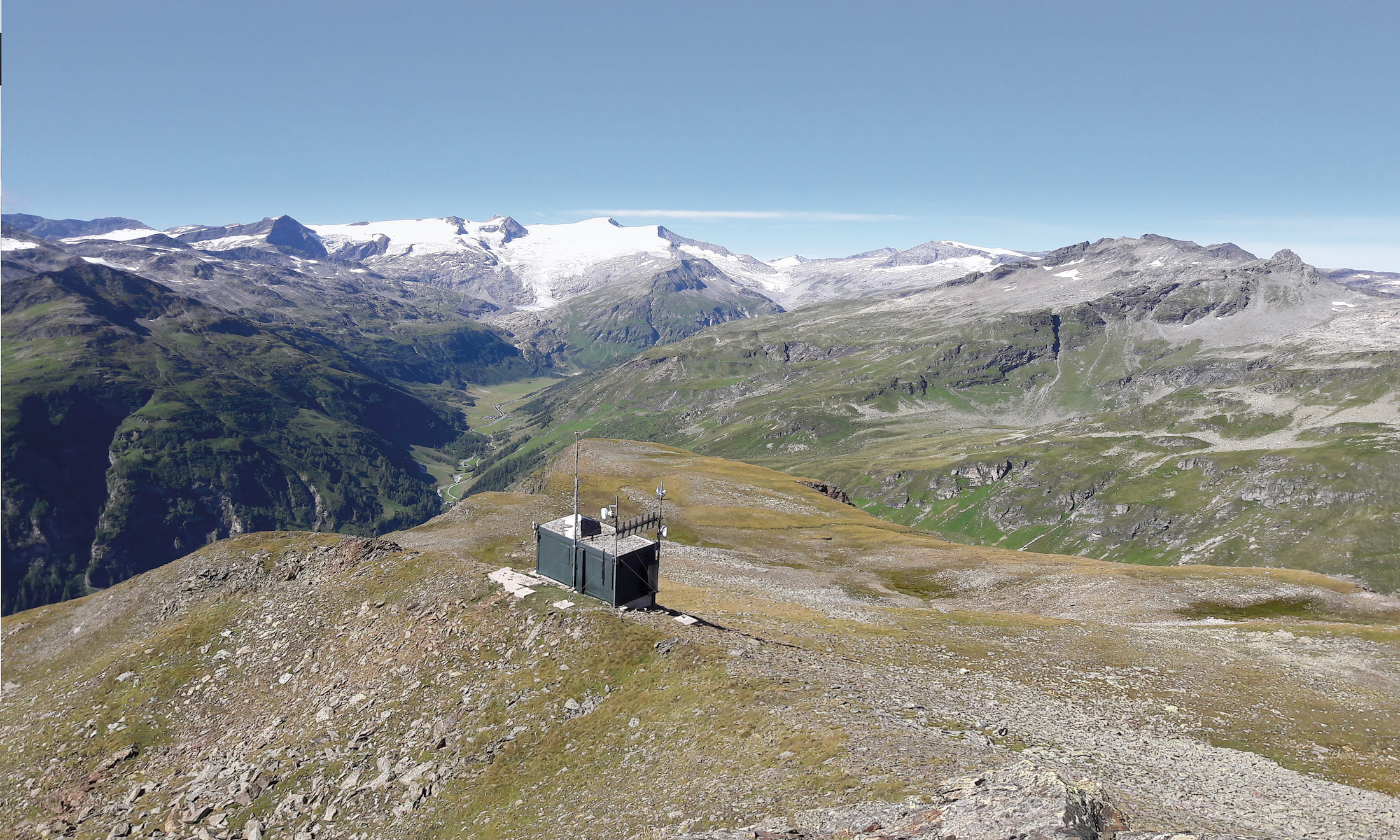
These systems have proven their reliability in extreme environments – from Antarctica and the Swedish Arctic to the Alps and the deserts of Saudi Arabia.
Civil applications: energy security where it matters most
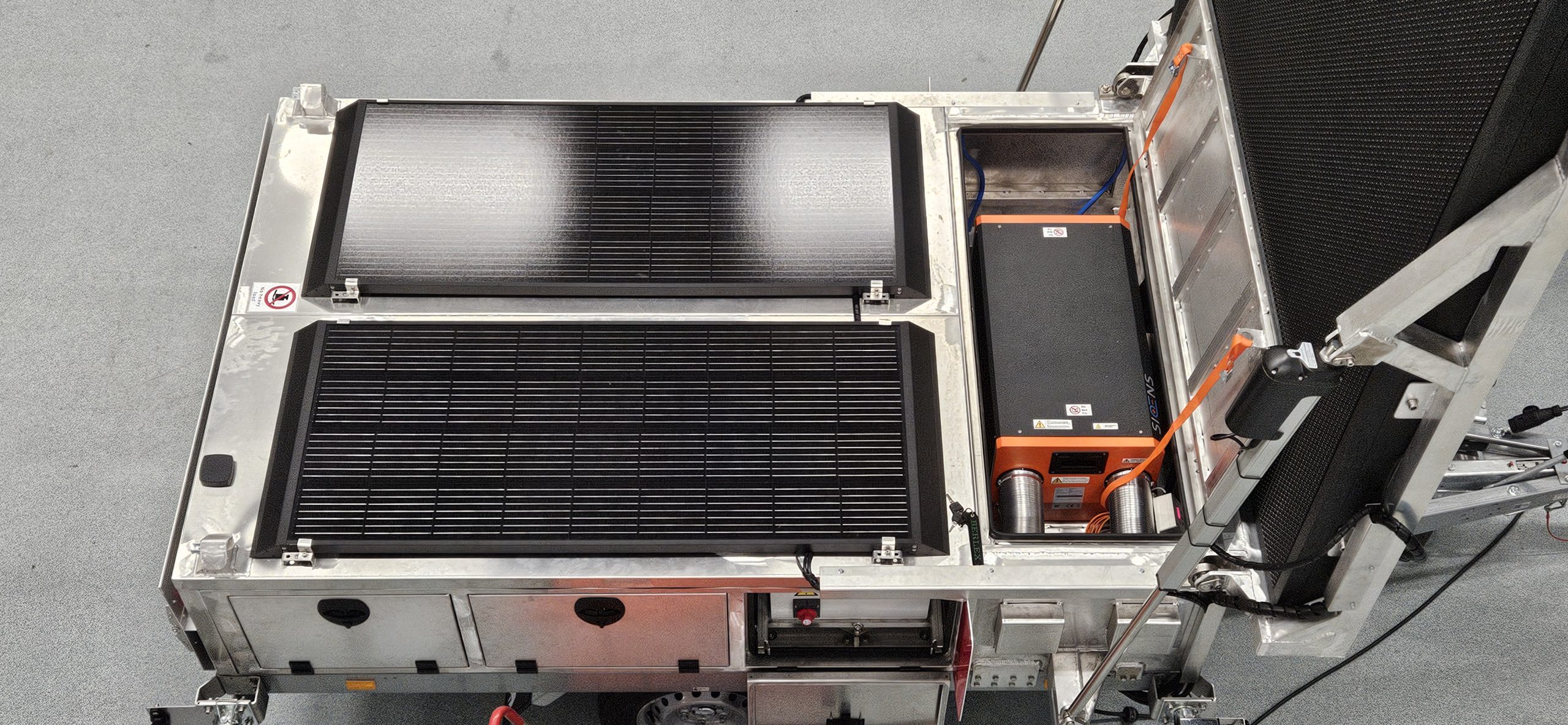
In the civilian sector, Ecoport fuel cells address critical vulnerabilities in the energy infrastructure. Climate change is increasingly exacerbating extreme weather events, whilst geopolitical tensions and hybrid warfare threaten grid stability; as a result, decentralised solutions are becoming essential for the resilience of the electricity supply.
Protection for critical infrastructure: Hospitals, emergency services and government facilities require an uninterrupted power supply in the event of outages caused by natural disasters, cyberattacks or grid failures. The Ecoport provides a silent, emission-free emergency power supply that is activated immediately if the primary power source fails.
Reliability of telecommunications: The network infrastructure requires round-the-clock availability. Whether for protecting 5G base stations or emergency communication systems, the Ecoport ensures uninterrupted operation without the noise, vibration and air pollution associated with diesel generators, making it ideal for use in cities and residential areas.
Off-grid autonomy: Remote installations – from weather stations to camera towers and radio stations – benefit from the Ecoport’s ability to operate independently for weeks or months without maintenance. The systems can be easily combined with solar panels and battery storage to form hybrid systems.

Digital monitoring enables remote diagnostics and predictive maintenance, thereby reducing the need for on-site visits whilst ensuring optimal performance – essential for operators managing distributed infrastructure across large areas.
Applications for border control and security infrastructure
The same characteristics that make Ecoport fuel cells valuable for civilian infrastructure also offer decisive advantages in a defence context. Low noise levels, minimal maintenance requirements and reliability become key assets in tactical scenarios. These include, in particular:
- Forward Operating Bases (FOBs)
- Auxiliary Power Units
- Intelligence, Reconnaissance and Surveillance (IRS) systems

SIQENS is working with government partners to adapt the Ecoport for use in mobile and semi-integrated military vehicles, thereby demonstrating the solution’s versatility and operational readiness.
The advantage of dual-use: accelerating innovation across various sectors
The true strength of dual-use technologies lies in their ability to accelerate innovation through cross-sector applications. Military requirements drive robustness, improvements in cyber security and testing under extreme conditions – improvements that directly benefit civilian applications. Conversely, the size of the civilian market enables efficient manufacturing and cost reductions, making military procurement more sustainable.
For the Ecoport platform, this means:
- Mechanical hardening
- Cybersecurity protocols
- Modular extraction systems
- Field-tested reliability
This two-way flow of innovation maximises the impact of research investment whilst addressing parallel challenges in both areas – energy security for critical infrastructure and power generation for military operations.
With technology at TRL 9 for civilian use and the potential for rapid military adaptation, SIQENS is at the forefront of energy innovation in the dual-use sector. Organisations worldwide are seeking resilient, sustainable energy solutions that operate reliably in any environment. Methanol fuel cell technology offers a compelling solution that bridges the gap between civilian infrastructure and military operations.
Outlook: Extension of the dual-use threshold
As electrification continues to advance in both the civilian and non-civilian sectors, demand for robust, field-deployable charging and power supply systems will continue to rise. SIQENS will continue to focus on developing the Ecoport for mobile and semi-integrated configurations for land vehicles, with innovations feeding back into civilian applications such as support for electric truck fleets and mobile emergency response systems.
The SIQENS Ecoport project demonstrates how innovations developed for the military sector can simultaneously benefit civilian applications, thereby creating a resilient, safer and more sustainable energy future for everyone.
Find out more about the SIQENS Ecoport fuel cell and its applications: www.siqens.de
The RES Project Poland is supported by the German Federal Ministry for Economic Affairs and Energy as part of the Renewable Energy Solutions Programme of the German Energy Solutions Initiative.







 Co-funded by the Horizon 2020
  Solar Impulse