
On 28 April 2025 at around 12:33 p.m. CEST, a massive blackout occurred in Spain and Portugal, paralysing large parts of the Iberian Peninsula. Within seconds, around 2.2 GW of generation capacity was lost, which corresponded to around 60% of demand and triggered a rapid cascade of protective shutdowns. The dramatic result: complete collapse of the grid and disconnection from the continental interconnected grid. Metro, train and tram networks came to a standstill. Traffic lights failed. The police had to try to manage the traffic chaos. Hospitals operated on emergency generators. Supermarkets and petrol stations were unable to process payments. Fuel pumps stopped working. The cause is attributed to a substation near Granada. This was followed by generator failures in the Badajoz and Seville regions. This resulted in frequency crashes and the automatic isolation of parts of the grid, which ultimately led to the complete collapse of the Iberian electricity grid.
The Iberia blackout in April 2025 clearly shows how rapid generation losses, a lack of reactive power reserves and technical weaknesses in the transmission grid can lead to faults that can paralyse entire regions. The event highlights how crucial stable infrastructure, reliable backup systems and targeted grid expansion are in preventing such major disruptions.
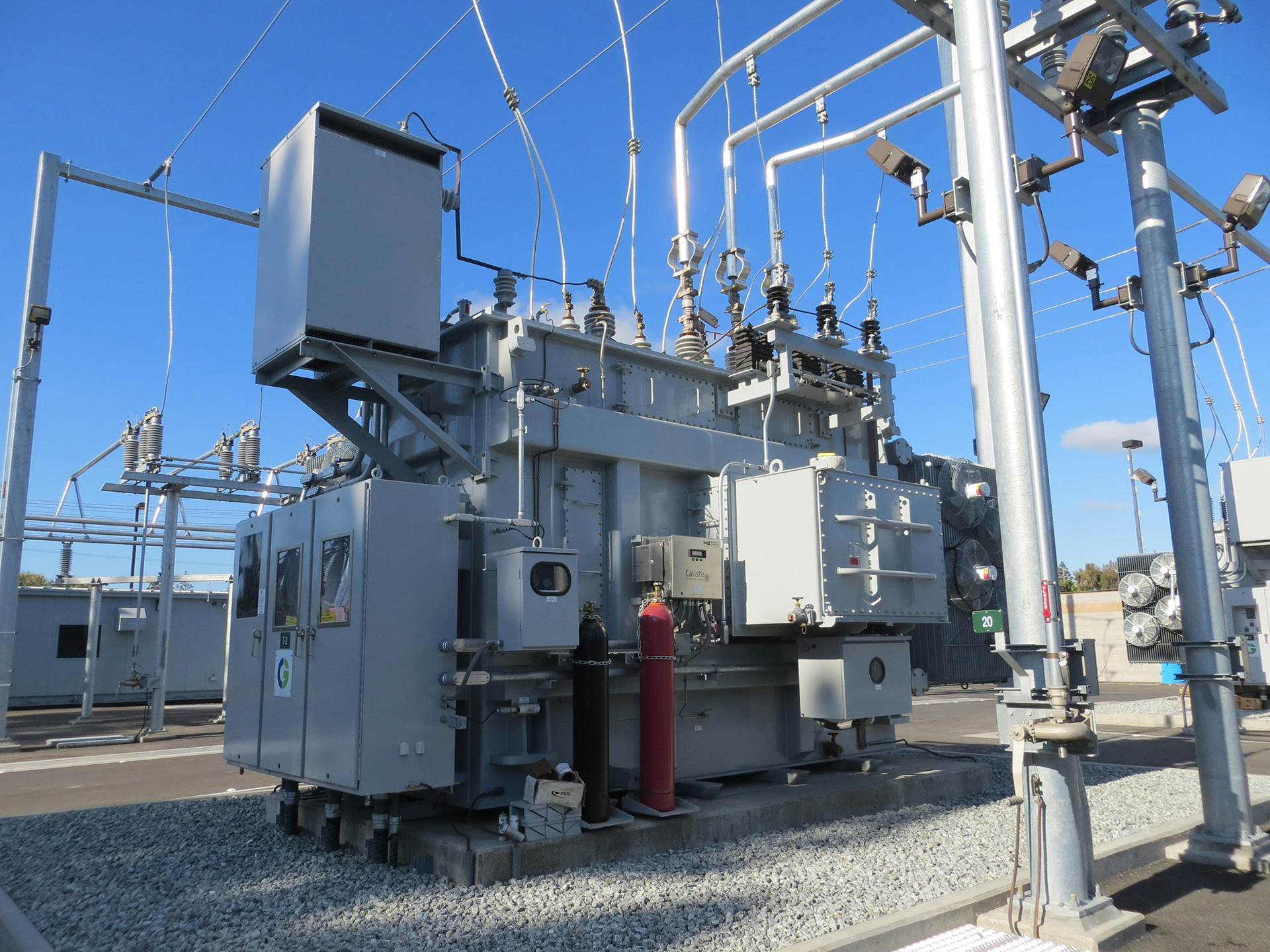
Blackouts are large-scale, unplanned power failures that can paralyse large parts of the public power grid and have serious consequences within minutes. Essential and critical infrastructure is immediately affected, including communications infrastructure, signalling, safety and control technology, water supply and sewage disposal, cooling systems and hospital supplies. Data backup. Public life in the 21st century is powered by electricity. A blackout brings this pacemaker to an abrupt halt. To prevent this, a variety of precautions are needed. First and foremost, a crisis-proof backup system. This is where Siqens comes in.
Protecting against blackouts: SIQENS Ecoport as the key to grid security
Power outages are not spectacular ‘black swans’, but can become a likely scenario in complex grid structures. In times of increasing decentralisation and extreme weather events, a robust and crisis-proof power grid is essential. Authorities, grid operators and energy companies must do everything possible to prevent or mitigate the consequences of a blackout.
The challenge: emergency power function for control and guidance systems
The power-independent supply of communication and data networks in the transmission and distribution network is particularly relevant. The new catalogue of measures from the TSOs (Network Emergency and Restoration Code, EU 2017/2196) requires a continuous emergency power supply for at least 72 hours – until now, diesel generators have dominated, but their emissions and fuel stability are problematic.
Why traditional diesel engines are reaching their limits
According to analyses by the German Federal Office for Information Security (BSI), diesel generators are unreliable when used for long periods of time – standardised diesel often becomes unusable after just a few months. Around 60% of diesel stocks were unusable when needed. Only 8% of the samples were fully usable. In addition, diesel causes CO₂, particulate matter and nitrogen oxides – factors that modern energy planning increasingly excludes.
SIQENS Ecoport – a future-fit solution
The SIQENS Ecoport extracts high-purity hydrogen from liquid methanol and uses it to generate reliable electricity – without emissions. Variants such as the Ecoport 800 (500 W continuous power, 800 W peak) and the Ecoport 1500 (1,000 W continuous power, 1,500 W peak) provide fail-safe energy for the reliable operation of critical loads.
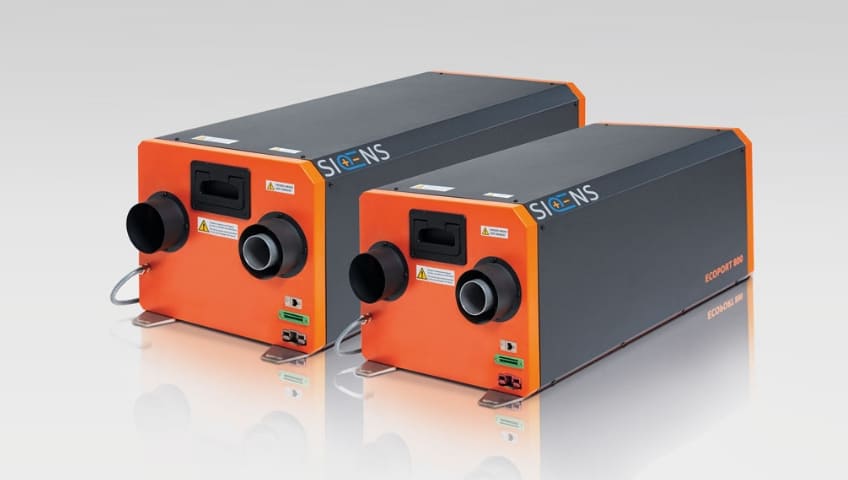
SIQENS Ecoport is relevant for network operators and authorities
Blackouts remain a serious risk – for grid stability, communication and critical infrastructure. SIQENS Ecoport technology is an environmentally friendly, low-emission and reliable alternative to diesel generators – especially for facilities where grid stability over several days is crucial. Siqens products offer decisive advantages:
- Long-term availability: Methanol is stable in storage, regardless of oil or diesel price trends.
- Emissions and maintenance: No particulate matter, no nitrogen oxides, low maintenance – crucial for authorities with ESG requirements.
- Scalability: Ecoports can be connected in parallel in a modular fashion to handle even higher loads.
- Compliance with regulatory requirements: Measures to meet EU requirements for emergency power and communications infrastructure.
Decision-makers in public authorities, energy suppliers and network operators should now focus on technology-based hardening of the electricity grid: as a component in emergency power plans or as a supplement to PV and battery storage systems, Ecoport protects critical systems independently of the public grid and increases operational safety, climate protection and supply continuity.







 Co-funded by the Horizon 2020
  Solar Impulse